Garage doors can be very secure when the door, locks, opener, remote, and sensors work well. The answer to how secure are garage doors depends on their age, parts, access codes, and daily use. Homeowners can make safe checks, while spring, cable, track, and opener faults need trained repair.
A garage door protects more than a car. It may cover tools, storage rooms, and a path into the home. A weak panel, lost remote, or damaged opener can create a security risk.
Clovis Garage Door Repair helps property owners understand which checks are safe to do themselves. The right repair can restore safe access before a small fault becomes a larger problem.
Table of Contents
- How secure are garage doors against common break-ins?
- Can someone open a garage door without the remote?
- How can you make a garage door more secure?
- How often should you check a garage door’s safety features?
- How can you keep children and pets safe around a garage door?
- When can a garage door repair affect home security?
- What are the key steps for maintaining a safe, secure garage?
How secure are garage doors against common break-ins?
Garage doors are fairly secure when the door, opener, remote, and frame work together. Many newer openers use changing access codes. This makes old copied signals less useful. Security still depends on good habits and regular care.
Which garage door features help prevent unauthorized entry?
A strong door with good hinges, rollers, tracks, and brackets gives the opening a firm barrier. A wall control inside the garage can limit outside access. A cover for the emergency release may also help when someone could reach through a gap above the door.
Rolling code technology changes the signal used by many newer remotes. A keypad gives family members another way to enter. Keep its code private. Good outdoor lights and a clear view around the garage may also discourage unwanted entry.
What weaknesses can make a garage door less secure?
A broken window, loose lock, damaged panel, or door that stays open can weaken security. An old opener may not have newer access controls. A remote left in an unlocked car can also give another person an easy way inside.
Do not force, lift, or adjust a door by hand when a spring or cable is under tension. These parts can move with great force. Garage Door Maintenance from Clovis Garage Door Repair can help find worn parts before they affect safety or security.
Can someone open a garage door without the remote?
Someone may open a garage door without its normal remote if the emergency release is easy to reach, the keypad code is known, or the opener has a security fault. Losing a remote does not always mean the door is unsafe. Access should still be removed as soon as possible.
How do emergency releases and old opener systems affect security?
An emergency release lets a person open the door from inside when the opener cannot run. It is an important safety feature and should not be disabled. If someone can reach it through a damaged panel or gap, a trained repairer can suggest a safer answer.
Older opener systems may use fixed codes. A copied or lost remote may then remain a concern until the code or receiver changes. The owner’s manual can show whether the system can clear old codes and program new remotes.
What should homeowners do after a remote or access code is lost?
Erase the lost remote from the opener memory when the system allows it. Change the keypad code if another person may know it. Treat any vehicle with a built-in opener like a separate remote.
Keep a simple record of who has access. This can stop old codes from staying active. Renters and business owners should check building rules before changing shared controls. When access cannot be removed, Garage Door Opener Repair may be the safest next step.
How can you make a garage door more secure?
Homeowners can improve garage security by controlling access and keeping the door in good repair. They should also check the opener settings. The best garage door security plan depends on the door, opener, home layout, and people who need entry.
Which locks, lighting and access controls are worth considering?
A working manual lock can help when the opener is not in use. It must match the opener, though. Using a manual lock while the opener runs can damage parts. A professional can check that both systems work together.
Useful security steps include:
- Keep remote controls out of cars left outside or unlocked.
- Change keypad codes when someone loses access.
- Use motion lights near the garage and side doors.
- Cover windows when they show valuables or opener controls.
- Make sure the door closes all the way before leaving home.
These steps do not replace needed repair. A door that binds, sags, or reverses for no clear reason needs attention first. Extra locks cannot make a damaged door safe.
How should connected garage door openers be secured?
A connected opener should use a strong account password and current software. Do not share the account with more people than needed. Two-step sign-in can add another check when the system offers it.
The home Wi-Fi network should also use a private password. Public or shared networks can create more risk. Remove old users, review alerts, and change access after a sale, move, or lost phone.
How often should you check a garage door’s safety features?
Watch the door during normal use and perform a basic safety check at least once each year. Check it again after a storm, impact, strange sound, or repair. A quick look can find trouble before the door stops working.
What should you inspect around the door, tracks and hardware?
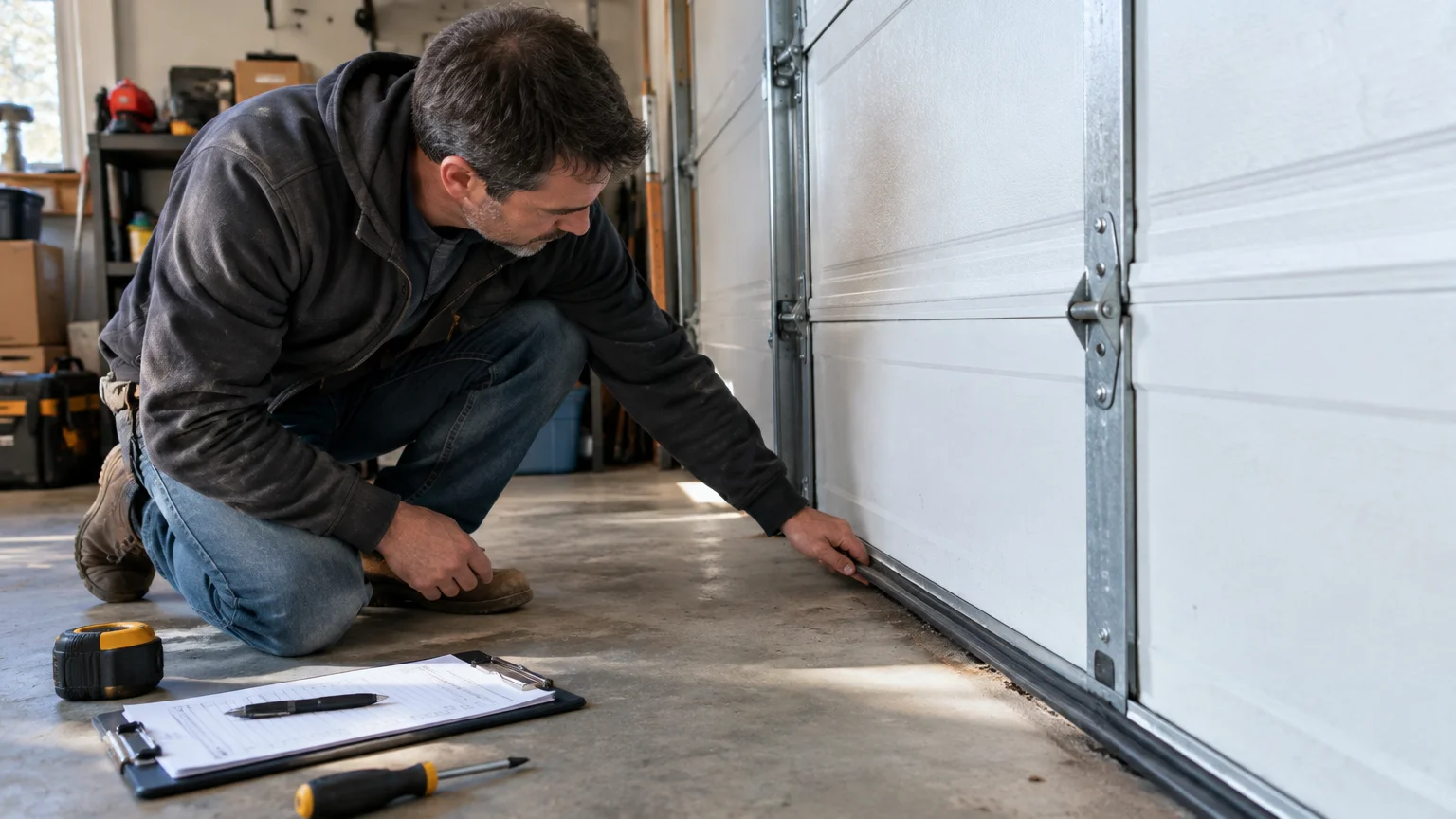
Look for loose hinges, bent tracks, worn rollers, cracked panels, and frayed cables. The door should move evenly and stay level while it runs. Grinding, popping, scraping, or sudden movement needs attention.
Homeowners can keep the area clear and wipe dirt from the visible photo-eye sensor lenses. They should not bend tracks, tighten spring hardware, or adjust cables. Springs and lift cables can release stored force without warning.
A safe homeowner checklist includes:
- Check that the door closes against the floor.
- Look for gaps, damage, and loose visible hardware.
- Keep boxes and tools away from moving parts.
- Test the wall control from a clear position.
- Watch for strange sounds or jerking movement.
How do auto-reverse sensors and manual release systems work?
Auto-reverse sensors send a safety beam across the door opening. If the beam is blocked while the door closes, the opener should stop and reverse. The sensors must face each other and stay clear.
The manual release separates the door from the opener during a power failure. Use it only as the maker directs. If the door feels heavy, drops, or will not stay open, stop using it and arrange professional help.
How can you keep children and pets safe around a garage door?
Children and pets should stay away from a moving garage door, its tracks, and opener controls. The safest habit is to watch the door close from a clear place. Never treat the door as a toy or climbing surface.
Which habits reduce the risk of crushing and entrapment injuries?
Keep wall controls high enough that young children cannot reach them. Store remotes out of sight. Teach children to wait until the door stops before walking through. Keep pets beside an adult while the door moves.
Do not let anyone stand under a moving door. Keep toys, bikes, and tools out of its path. A door that reverses late, closes unevenly, or fails to reverse needs prompt attention.
What should you do if the door behaves unexpectedly?
Press the wall control once and move people away from the opening. Do not hold the button down to force the door through a fault. If it is stuck, tilted, very heavy, or partly open, keep the area clear.
Do not pull a spring, cable, or bottom bracket into place. These parts carry stored force. Garage Door Off Track Repair or Garage Door Cable Repair should be handled by someone with the right tools and training.
When can a garage door repair affect home security?
A garage door repair can affect home security when a fault leaves the door open, weakens the frame, or stops the opener from closing it correctly. Fast help matters when the garage connects to the home or stores valuable items.
Which signs point to a broken spring, damaged track or failing opener?
A broken garage door spring may leave the door very heavy or unable to lift. A damaged track may cause rubbing, shaking, or a crooked door. A failing opener may hum, stop, move partway, or lose its link with the remote.
Other warning signs include a loose cable, separating panel, or door that drops fast. These faults are not safe DIY work. A person can clean, observe, and report the problem. They should not adjust parts under tension.
When should you stop using the door and arrange professional help?
Stop using the door when it is off track, badly damaged, partly collapsed, or making sharp popping sounds. Stop when a cable is loose, a spring is broken, or the door will not stay open. Keep people and vehicles away until it is checked.
A garage door company serving Clovis can help property owners across Stonebrook, Downtown Clovis, Texico, Farwell, and nearby communities. Clovis Garage Door Repair can assess the fault and explain the repair needed when access or security has been affected.
What are the key steps for maintaining a safe, secure garage?
Safe garage care starts with simple checks, careful access control, and timely repair. Homeowners can clean the area, clear the door path, protect remotes, and watch normal movement. They should call a trained professional for springs, cables, bottom brackets, tracks, and major opener faults.
Annual garage door security and safety checklist
The following checklist gives a useful yearly review:
- Check the door, frame, tracks, rollers, hinges, and panels.
- Confirm that the door closes fully and stays level.
- Check that safety sensors are clean and aligned.
- Review remotes, keypad codes, and connected users.
- Keep children, pets, and stored items away from moving parts.
- Arrange repair for sudden noise, damage, or heavy movement.
When to schedule an inspection or emergency repair
Schedule a professional inspection when the door shows wear, acts differently, or has not been checked for a long time. Arrange urgent help when the door is stuck open, off track, unsafe to move, or leaving the home exposed.
Key takeaways
- A secure garage needs a sound door and working opener.
- Lost remotes and old codes should be removed quickly.
- Children and pets must stay clear of moving doors.
- Springs, cables, tracks, and bottom brackets are not safe DIY work.
- Prompt repair can protect both access and home security.
Frequently Asked Questions
Are garage doors safer than they used to be?
Many newer garage doors and openers have better access controls and safety features. Security still depends on proper setup, care, and user habits. A damaged door or old fixed-code opener may need added protection or replacement advice.
How secure are garage door openers?
Garage door openers can be secure when remotes, codes, software, and connected accounts are managed well. Owners should remove old users, protect passwords, and replace faulty equipment. A professional can check an opener that opens by itself or fails to close.
Who services garage doors near me?
A local garage door repair company can inspect doors, openers, springs, cables, and tracks. Homeowners should choose help for the exact fault, especially when tensioned parts are involved. Clovis Garage Door Repair serves customers in the Clovis area.
Can a homeowner test garage door safety sensors?
A homeowner can keep sensor lenses clean and watch whether the door reverses when the beam is interrupted as the maker directs. Do not bypass the sensors or adjust damaged wiring. A failed test calls for professional repair.
What makes a garage door unsafe to use?
A loose cable, broken spring, bent track, falling door, damaged panel, or failed reversing system can make use unsafe. Keep people away from the opening and avoid forcing the door. Arrange a professional assessment before normal use begins again.
Conclusion
The answer to how secure are garage doors depends on more than the door itself. Access controls, sensors, hardware, lighting, and safe habits all matter. Homeowners can handle basic cleaning and checks, but hazardous parts need trained help.
For urgent garage door repair, Contact us today to arrange professional help from Clovis Garage Door Repair.
If you are not sure what you are dealing with, it is worth having someone look at it before it turns into a bigger job. Get in touch with Clovis Garage Door Repair today and we will tell you where you stand.