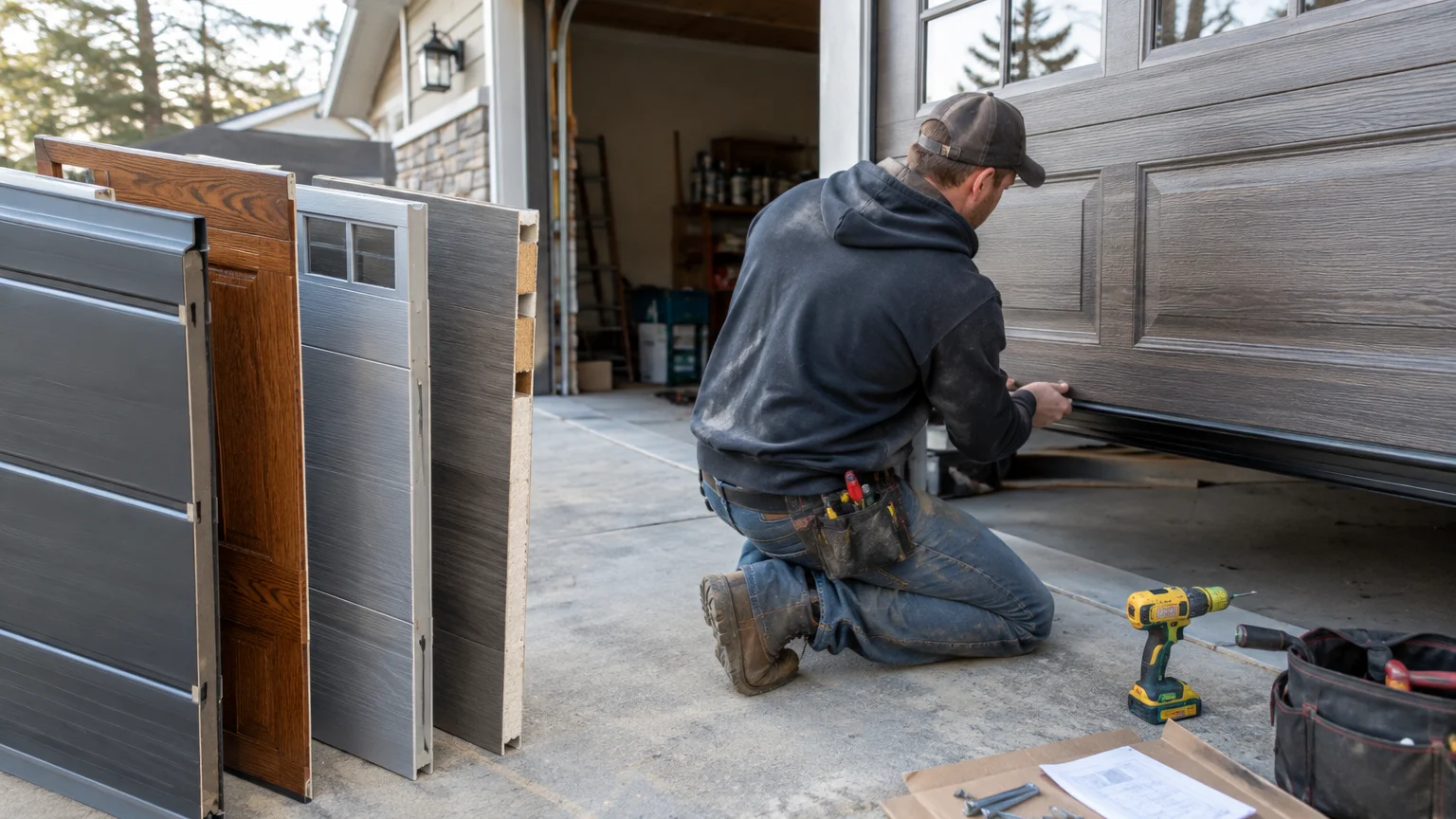
The main types of garage doors are made from steel, wood, aluminum, or composite materials. Each has its own look, care needs, and strengths. The best choice depends on your property, Clovis weather, how often you use the door, and how much upkeep you can manage. Comparing these points can make choosing easier.
A new garage door affects how a home looks and how people use the garage. For homeowners and property owners in Clovis, learning the main differences can help narrow the choices. Clovis Garage Door Repair can explain how each material and style may work with your building and daily needs.
Table of Contents
- What are the main types of garage doors?
- What should you know about steel garage doors?
- Are wood garage doors a good choice?
- When does an aluminum garage door make sense?
- How do composite garage doors compare with other materials?
- Which garage door style and material fit your property?
- How can you choose the right garage door for long-term use?
What are the main types of garage doors?
The most common garage door materials are steel, wood, aluminum, and composite. A door’s style means its design and appearance. Its material is what it is made from. Doors may also have windows, raised panels, or a smooth face.
How door materials differ from door styles
A style might be traditional, modern, or carriage-house. These designs can be made with different materials. For example, a steel door can have raised panels that look like classic wood. A wood door can also have a plain, modern look.
The way a door moves is another choice. Many homes use sectional doors. These doors have hinged panels that move along tracks. Other designs may work better for some buildings or openings. The right type depends on the space and how you plan to use the door.
Why material choice affects appearance, upkeep, and performance
Material affects a door’s weight, surface, care needs, and ability to handle weather. Insulation is another point to consider. Insulation is material inside the door that slows heat moving through it. It may help a connected garage feel more comfortable, but the whole building affects the result.
Think about how often the door will open and what you keep inside. Consider how much care you are ready to give the door. It also needs to fit the opening. Common sizes are available, but openings can differ. A trained installer can check the space and explain which options fit. In Clovis, local weather and the building’s design may help guide your choice.
What should you know about steel garage doors?
Steel garage doors are popular because they have a sturdy surface and come in many designs. They can work for homes and business properties. When comparing them, consider the door’s weight, insulation, finish, and chance of damage.
Durability, insulation, and design options
Steel doors come with different panel designs and finishes. Some have insulation between layers of steel. Others have a simpler build. Check the product details to see how each door is made. Steel doors can differ, so it is better not to assume that every model works the same way.
A steel door can look like a classic raised-panel door or have a clean, modern style. Windows can bring daylight into the garage and change the front of the building. Their position should suit your privacy needs and what is inside the room.
The door’s design should also suit the rest of the property. Look at its color and panels beside the siding, trim, and entry door. A finish that fits the building can make the door feel like part of the whole design. Clovis Garage Door Repair can help owners compare options for their property.
Maintenance needs and potential drawbacks
Steel does not need the same care as natural wood, but it still needs checks. Look for dents, damaged paint, loose parts, and signs of rust. Clean the door carefully and follow the maker’s advice for its finish. Basic cleaning and looking over the door are jobs many owners can do themselves.
A dent can change how the door looks, and some damage may need repair. If the door no longer moves smoothly, do not force it. Keep people away and arrange for someone to check it, especially if panels look uneven or the door has left its track.
Springs and lift cables hold strong tension. They can cause serious harm if handled without the right tools and training. Do not try to repair or adjust them yourself. A garage door spring problem can also affect balance and garage door safety, so have a trained professional inspect it.
Are wood garage doors a good choice?
Wood garage doors may suit owners who want a natural look and custom details. They can fit many home styles, but they need regular care. Consider the weather, door weight, and how the door is built before choosing wood.
Natural appearance and customization
Wood has a real grain and feel that can be hard to match. It comes in different panel designs and finishes. This gives owners ways to pair a door with the trim, siding, or other parts of their property.
The finish affects the door’s look and care plan. Ask what cleaning, sealing, or repainting it may need. A clear care plan helps you know what to watch for as the door faces sun, rain, and changing temperatures.
Wood may be a good choice when appearance is a top concern and regular upkeep is manageable. The finish and design should still fit how the garage is used. For example, a door that faces harsh weather may need more attention than one with less exposure.
Weather exposure, upkeep, and weight
Wood can change when exposed to moisture and weather. Without proper care, it may swell, crack, or change shape. These changes can affect how well the door opens and closes. Follow the maker’s care advice and check for changes in the finish or fit.
Wood doors may weigh more than some other options. The hardware and opener must be suited to the door’s weight. Do not guess about springs or cables when a door is replaced. A trained garage door professional should check these parts and do any work on them.
Homeowners can safely keep the surface clean and look for visible damage. If you see a new gap, crack, or change in movement, stop using the door if it seems unsafe. Have the door checked before the problem gets worse. The right care can help keep the door working as intended.
When does an aluminum garage door make sense?
An aluminum garage door may suit a property where a lighter door or modern look matters. Its fit depends on the design, finish, insulation, and use. Compare its appearance with the chance of dents and the needs of the room.
Lightweight construction and contemporary styles
Aluminum is often used for doors with wide glass panels or a simple modern design. Its lighter build can suit styles meant to bring more daylight into a garage. Think about how much the windows let people see and whether that works for your home or business.
The door still needs to fit the opening and work with the door system. Window size, panel layout, and movement can affect daily use. An installer can check the opening and explain which designs suit the building.
A modern style is not the only reason to choose aluminum. Consider whether the door’s look fits the rest of the property and how often it will be used. A door that looks right but does not meet your needs may not be the best garage door for your space.
Denting, corrosion, and insulation considerations
Aluminum may dent if something hits it. Think about activity near the garage, including vehicles, tools, or play areas. The finish may also wear over time, so check the maker’s advice for cleaning and care.
Some aluminum doors have insulated sections. Others use a thinner, lighter build. Check the product details if the garage is attached to your home or used as a work area. Insulation may help with comfort, but it does not replace good airflow or proper care of the space.
Look at the full door design instead of choosing by material alone. Check the windows, finish, insulation, and how the door moves. Also consider whether the door needs a garage door seal that fits well at the bottom and sides. A good fit helps limit gaps, but the seal and door should suit the opening.
How do composite garage doors compare with other materials?
Composite garage doors are made from more than one material. Their appearance and performance depend on the parts used and how the door is built. They may offer a different mix of looks, care needs, and weather resistance than a solid wood or metal door.
Appearance and resistance to moisture or rot
Some composite doors are made to look like wood. They may suit owners who want a wood-like style but worry about moisture or rot. Composite is a broad term, though. It does not mean every door needs no care or can handle all weather.
Check the maker’s details for the surface, finish, and care needs. Ask how the material may respond to sun, rain, and changes in temperature. A sample or finish guide can help you picture its color and texture beside the building.
Compare the door with the conditions around your property in Clovis. A finish that looks good in a sample may look different in direct sun. Ask what care the maker recommends and what signs of wear to watch for. These simple checks can help you choose with more confidence.
Construction differences and practical trade-offs
Composite doors can vary in weight, insulation, and panel design. They may have a frame, outer layers, or a core made from different materials. These parts affect how the door feels and what kind of care it needs.
Compare the full product, not just the word composite. Ask about weight, finish, windows, and hardware needs. Find out whether a damaged part can be repaired or replaced. This can matter if one panel gets damaged later.
For every material, the door must fit the opening. A poor fit may stop it from moving or sealing as it should. Proper sizing and installation support safe use. If a door is difficult to operate, do not keep forcing it. Have the door and its hardware checked.
Which garage door style and material fit your property?
The right garage door suits the property, local weather, daily use, and care needs. Start by looking at the opening and the building’s style. Then compare materials and features. The door should look right, move safely, and work for the people who use the garage.
Matching the door to the home or building
Look at the outside of the home, including its trim, siding, windows, and entry door. A traditional home may suit raised panels or a wood-like finish. A modern building may suit smooth panels, a simple shape, or larger windows. These ideas can help you start, but they are not strict rules.
For a business property, consider how often the door will open and what needs to pass through it. The door must suit the opening and the work inside. Owners should also think about who will use it and whether windows or insulation will help.
Style is only one part of the choice. A door may look good but still need more care than you want to give it. Compare the expected upkeep with the way you use the building. The types of garage doors can offer different looks, but a good match also needs the right fit and hardware.
Considering climate, use, maintenance, and windows
Local weather can affect a door’s finish and care needs. Think about sun, rain, and cold weather in Clovis. Also consider whether the garage shares a wall with living space, stores items that need a steady setting, or serves as a work area.
Windows can bring in daylight, but they also affect privacy and the door’s look. Insulation may help some garages, but not every use calls for it. Before choosing, write down the main needs: appearance, strength, upkeep, light, and daily use.
Clovis Garage Door Repair can help property owners review options that fit the opening and building. A local installer can also check how the door works with its tracks and opener. Ask questions before choosing so you understand the door’s care needs and how it may work in your space.
How can you choose the right garage door for long-term use?
A good long-term choice begins with clear needs and a safe fit. Compare materials, styles, insulation, windows, and care advice. Ask an installer to check the opening and explain how the door works with its tracks, springs, and opener.
Questions to ask before selecting a replacement
Ask what the door is made from and how to care for its finish. Find out whether it has insulation, what the windows offer, and how its weight affects the door system. Make sure it suits the opening and the way you use the garage.
A damaged panel may sometimes be repaired or replaced. The answer depends on the door’s design, the damage, and whether a matching panel is available. Panel damage can also point to a larger problem with safe movement.
Do not try to remove or replace a panel while the door is under spring tension. A professional can check the damage and explain whether repair or full replacement is the safer choice. This is especially important if the door is uneven, stuck, or hard to move.
Key takeaways
- Steel offers many designs, but dents and surface damage still need attention.
- Wood has a natural look and usually needs regular care.
- Aluminum can suit modern designs, though it may dent.
- Composite doors vary, so check each product’s construction and care needs.
- A proper fit, safe hardware, and careful installation matter for every material.
Frequently Asked Questions
What are the most common garage door materials?
Steel, wood, aluminum, and composite are common garage door materials. Each has different features, looks, and care needs. The right choice depends on the property, weather, daily use, and how much upkeep the owner wants to manage. Check the maker’s details before choosing.
How wide are standard two-car garage doors?
Two-car garage openings can vary, so one width will not fit every property. Measure the opening and check the nearby walls, ceiling, and tracks. An installer can confirm which door size and design fit the space safely.
Can a damaged garage door panel be repaired?
Sometimes a damaged panel can be repaired or replaced. The answer depends on the damage, the door’s design, and whether a matching panel is available. A professional should check the door first, since panel damage can affect how it moves and stays balanced.
Are garage doors with windows a good choice?
Windows can add daylight and change how a door looks. They may not suit every garage, especially when privacy matters. Think about where the windows face, what people can see from outside, and whether the garage needs more natural light.
Which garage door material needs the least upkeep?
Care needs depend on the door’s finish, build, and exposure to weather. Steel and aluminum do not need the same care as natural wood, but every door needs checks and cleaning. Follow the maker’s care advice and watch for damage or changes in movement.
Conclusion
Choosing among the types of garage doors is easier when you compare your real needs, not looks alone. Consider material, style, weather, insulation, windows, and upkeep. A correct fit and safe installation matter as much as appearance. For help choosing a door for your property, Contact us today; Clovis Garage Door Repair is ready to help you review your options.
If you are not sure what you are dealing with, it is worth having someone look at it before it turns into a bigger job. Get in touch with Clovis Garage Door Repair today and we will tell you where you stand.